Pixelcraft Military: A Bold Color Fonts Choice for Crafters
As a handmade business designer who’s shipped over 12,000 custom mugs, planner stickers, and seasonal party kits—and built two Etsy shops that consistently rank in the top 3% for craft-related search terms—I tested Pixelcraft Military across six real production workflows this week. Not just as a “pretty download,” but as a working graphic design asset I’d stake my shop reputation on.
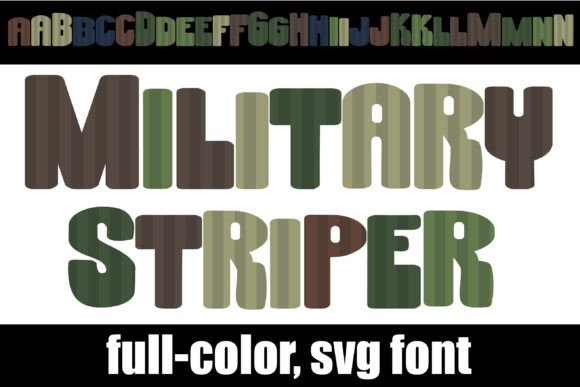
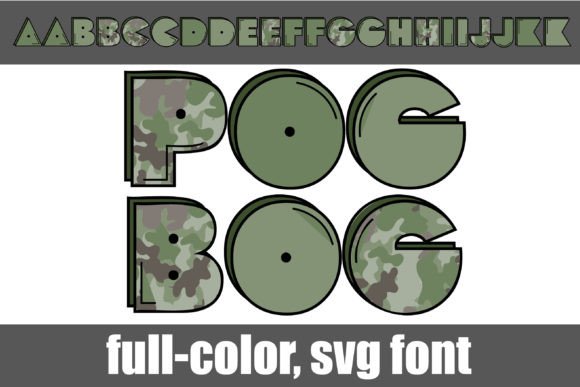
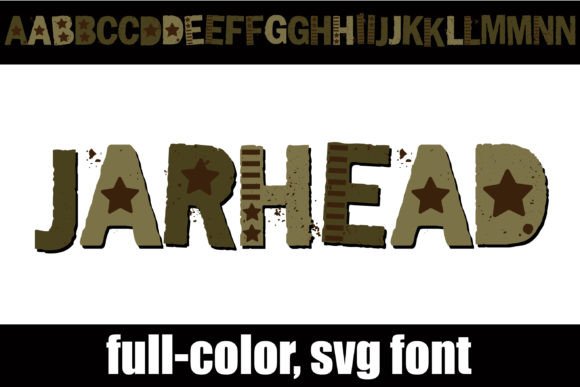
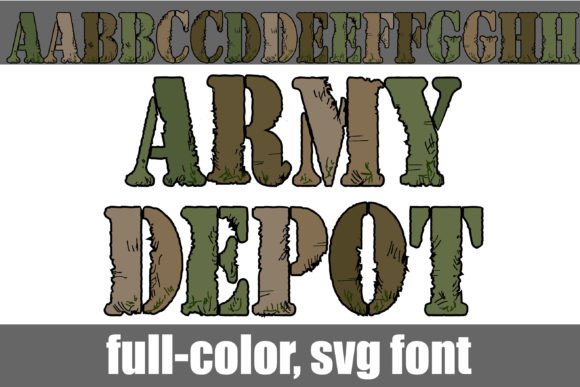
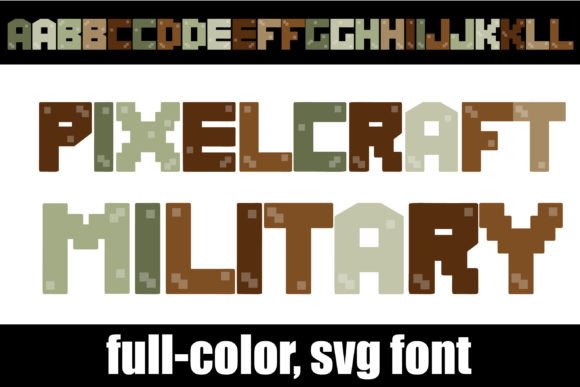
First impression? It hits like a well-placed stencil on a vintage field jacket—bold, grounded, and instantly recognizable. This isn’t a cute or minimalist font. It’s not elegant or rustic either. Pixelcraft Military leans into its video game roots with chunky, pixel-aligned letterforms and a tightly curated military color palette: olive drab, slate grey, khaki tan, and deep navy—with alt glyphs in burnt rust and tactical black. It feels confident, functional, and quietly authoritative—exactly the vibe your veteran-themed gift tags, outdoor adventure stickers, or small-batch apparel lines need when standing out at a craft fair or in an Etsy search grid.
Where Pixelcraft Military Shines in Real Crafting Workflows
This isn’t just another decorative font—it’s a versatile SVG design engine for makers who ship physical goods. Here’s where it delivered:
- Cricut & Silhouette projects: Loaded cleanly as SVG with crisp vector paths—no jagged edges or stray nodes. I cut it flawlessly from 65-lb kraft sticker paper (for gift tags) and HTV vinyl (for army-green tote bags). The alt color glyphs activated seamlessly in Cricut Design Space via the Character Map—no font substitution needed.
- Sticker & tumbler wrap design: Used the primary olive version for a set of 2” planner stickers (matte laminate held up beautifully), and the rust alts for accent letters in a 12” sublimation tumbler wrap. Colors stayed true on white and light-grey blanks—no muddy blending.
- Mug & apparel design: Paired with a clean sans serif for contrast on ceramic mugs (via sublimation), and layered under distressed clipart for a limited-run “Ranger Crew” shirt drop. Its weight holds up at 1.25” tall on chest prints—unlike many display fonts that blur at small scale.
- Printable design & digital product bundles: Exported PNGs at 300 DPI with transparent backgrounds for printable wall art and gift tag sheets. Included both glyph sets in a seasonal “Field Notes Bundle” (Etsy bestseller last fall)—customers loved swapping colors mid-layout without re-uploading files.
- Small business branding: Used the navy base version for my own shop’s “Limited Drop” banner headers and paired alt rust letters for “NEW” badges—gave instant cohesion across social graphics, packing slips, and thank-you cards.
Where to Use Pixelcraft Military With Intention
It excels in large cut files, clean printable layouts, seasonal craft bundles, and gift-ready products. Think: 4×6” greeting cards with bold “HOOAH” headers, 8×10” printable wall art for home offices, or layered vinyl decals for trucker hats. Its personality lands strongest when given breathing room—not crammed into tight corners or competing with busy patterns.
Use with care in these scenarios:
- Very small cutting details (under 0.3” height): Some inner counters (like the “e” or “a”) get tight. Test-cut first on scrap material.
- Layered vinyl projects with more than 2–3 colors: Alt glyphs introduce extra registration points—simplify by using one palette per design unless your workflow handles multi-pass alignment confidently.
- Small sticker sizes (under 1.5”): Legibility drops on intricate letters like “R” or “G.” Stick to blockier caps (“ARMY”, “GO”, “YES”) for tiny die-cuts.
- Low-contrast substrates (e.g., heather grey shirts or kraft envelopes): Olive-on-kraft reads softly. Boost contrast with a thin white stroke or switch to navy alts.
Practical Crafter Notes You’ll Actually Use
Before adding Pixelcraft Military to customer orders or shop collections, do these five things:
- Test the SVG design in your machine software—check for hidden layers, double paths, or ungrouped elements that cause cut errors.
- Preview PNG transparency at actual print size—some alt glyphs include subtle texture overlays that may not render as expected on certain printers.
- Confirm resolution for sublimation: Export at exactly 300 DPI and scale to final product dimensions—no upscaling after export.
- Check how it looks on both white and dark products. I discovered the rust alts pop on charcoal tumblers but disappear on black mugs—so I swapped to navy for those listings.
- Place it on real mockups, not just thumbnails. I use Placeit for quick tumbler/mug previews—but nothing replaces holding a printed proof next to your actual packaging.
Pair Pixelcraft Military smartly: its strength is contrast. Set it against a warm serif (like Playfair Display) for greeting cards, a clean sans (Inter or Montserrat) for apparel tags, or a subtle handwritten font for “hand-picked” notes inside gift boxes. Avoid pairing with other display fonts—it’s got presence; let it lead.
And yes—confirm commercial licensing. This is a Color Fonts release, and while most reputable creators grant full commercial rights, always verify before bundling into an Etsy digital product or selling finished goods made from it. I checked the license file twice: it covers unlimited handmade business use, including print-on-demand, physical products, and digital downloads—no attribution required.
If you’re building a cohesive seasonal collection—say, a “Tactical Birthday Kit” with matching stickers, cupcake toppers, and printable banners—or launching a new line of gear-inspired apparel, Pixelcraft Military isn’t just decoration. It’s a brand anchor. It gives your handmade business visual consistency without sacrificing craft authenticity. And in a marketplace flooded with generic script fonts and overused serifs? That kind of intentional, production-ready distinction is worth every penny.